Movement
Tudor’s use of movements evolved alongside the Submariner line, reflecting a consistent focus on reliability, serviceability, and performance. Early models were powered by modified third-party calibres paired with Rolex-engineered components, before transitioning fully to ETA-based movements in the late 1960s. While the architecture changed over time, Tudor’s approach remained the same—leveraging proven movements and refining them to meet the demands of professional use. The following section examines the principal calibres used throughout the Submariner's production and the role each played in its development.
The Tudor calibre 390 was introduced in the mid-1950s and powered early Oyster-Prince models, including the first generation of Tudor Submariners - ref. 7922, 7924 and 7928. Based on a modified Fleurier ébauche, the movement was extensively reworked by Tudor and fitted with a Rolex-designed automatic winding system, often referred to as the “Perpetual” rotor.
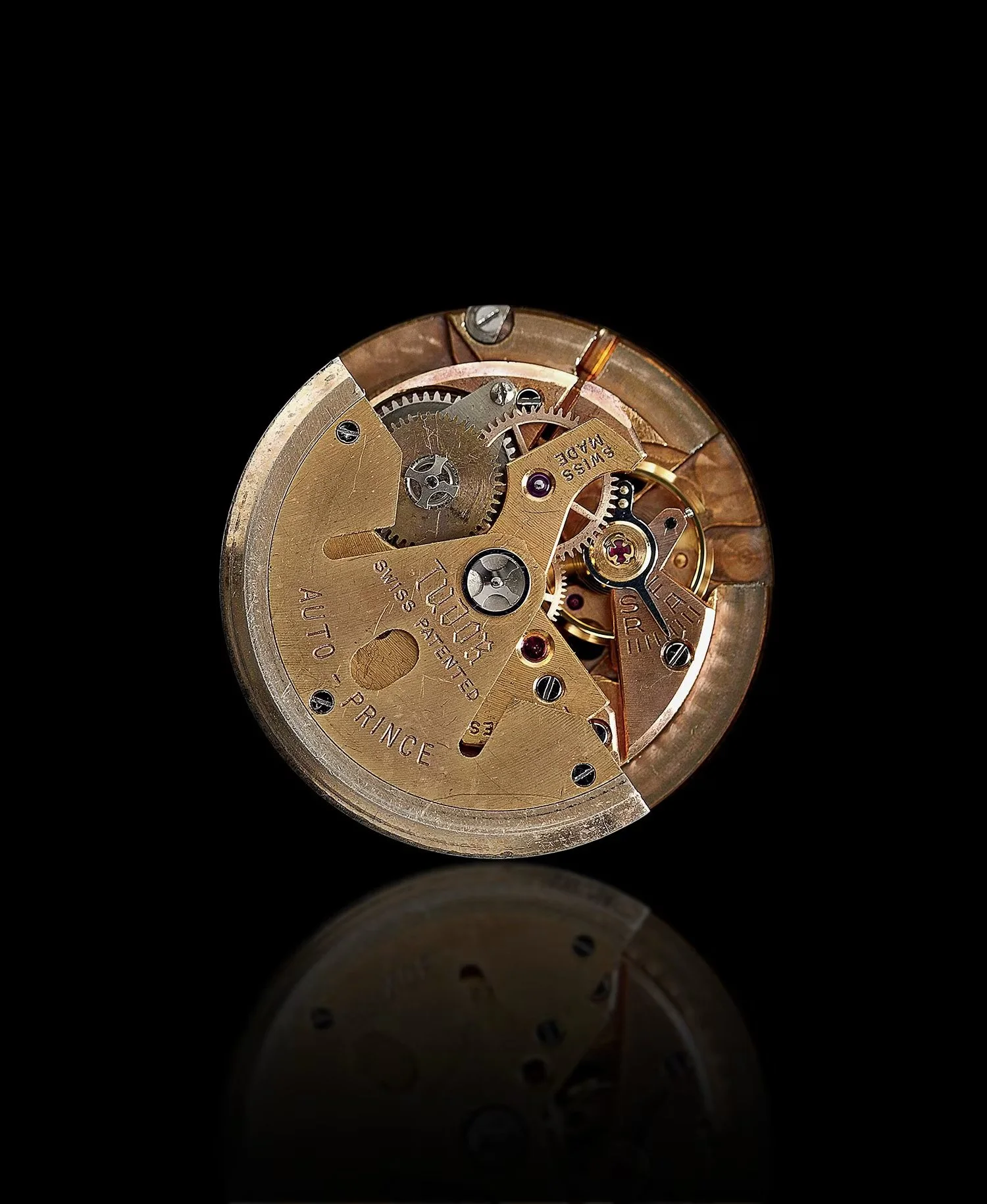
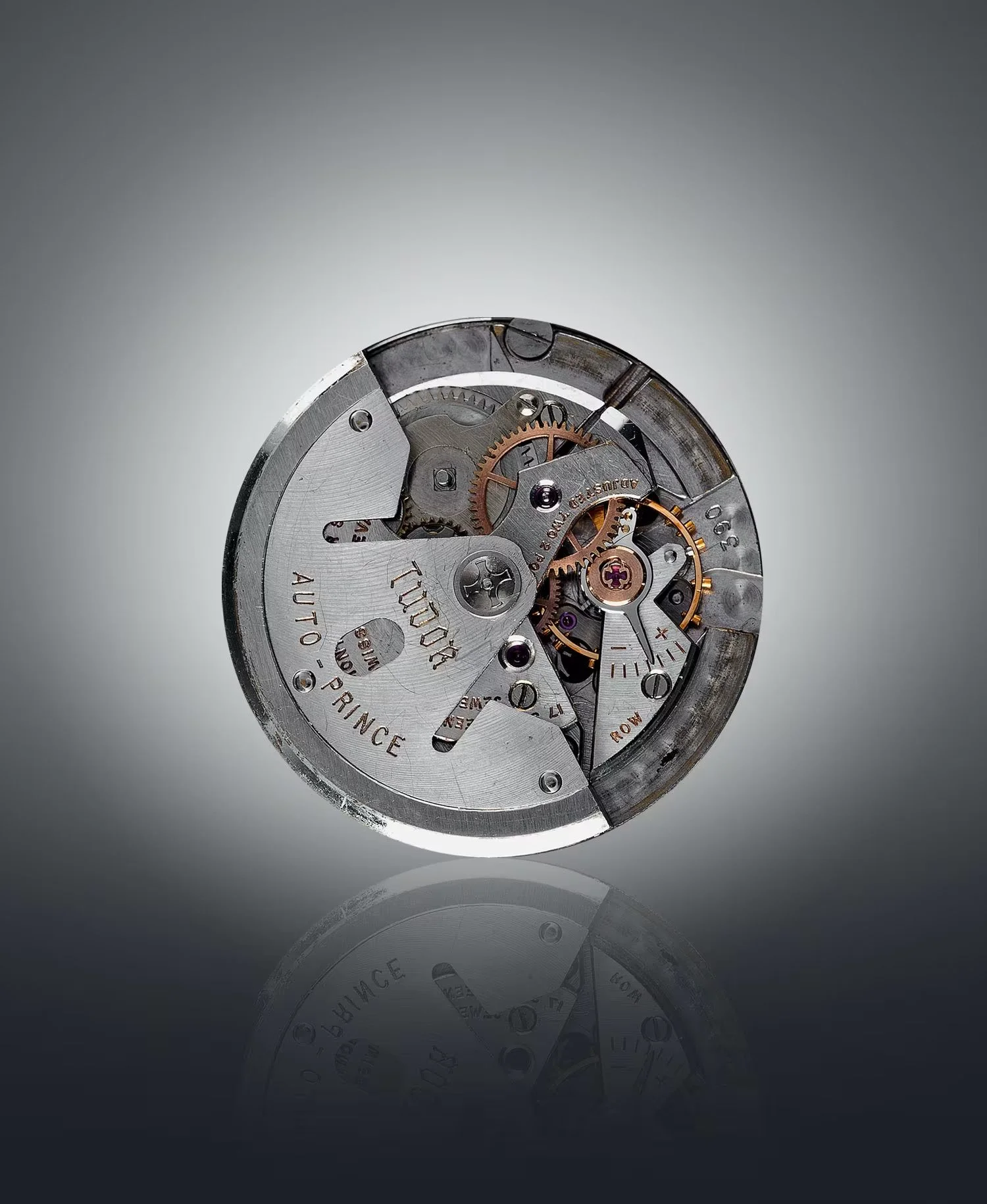
While not an in-house Rolex movement, the cal. 390 was built and adjusted to a high standard, combining outsourced architecture with Rolex engineering.
Over time, Tudor made small adjustments to improve reliability, durability, and serviceability, likely in response to real-world use. Among the subtle differences observed across examples are:
Variations in finishing and plating
Differences in markings and stamps on the movement
Occasional changes in jewel count (typically 17 or 25 jewels) depending on market
Minor updates to components within the automatic winding system
Hodinkee
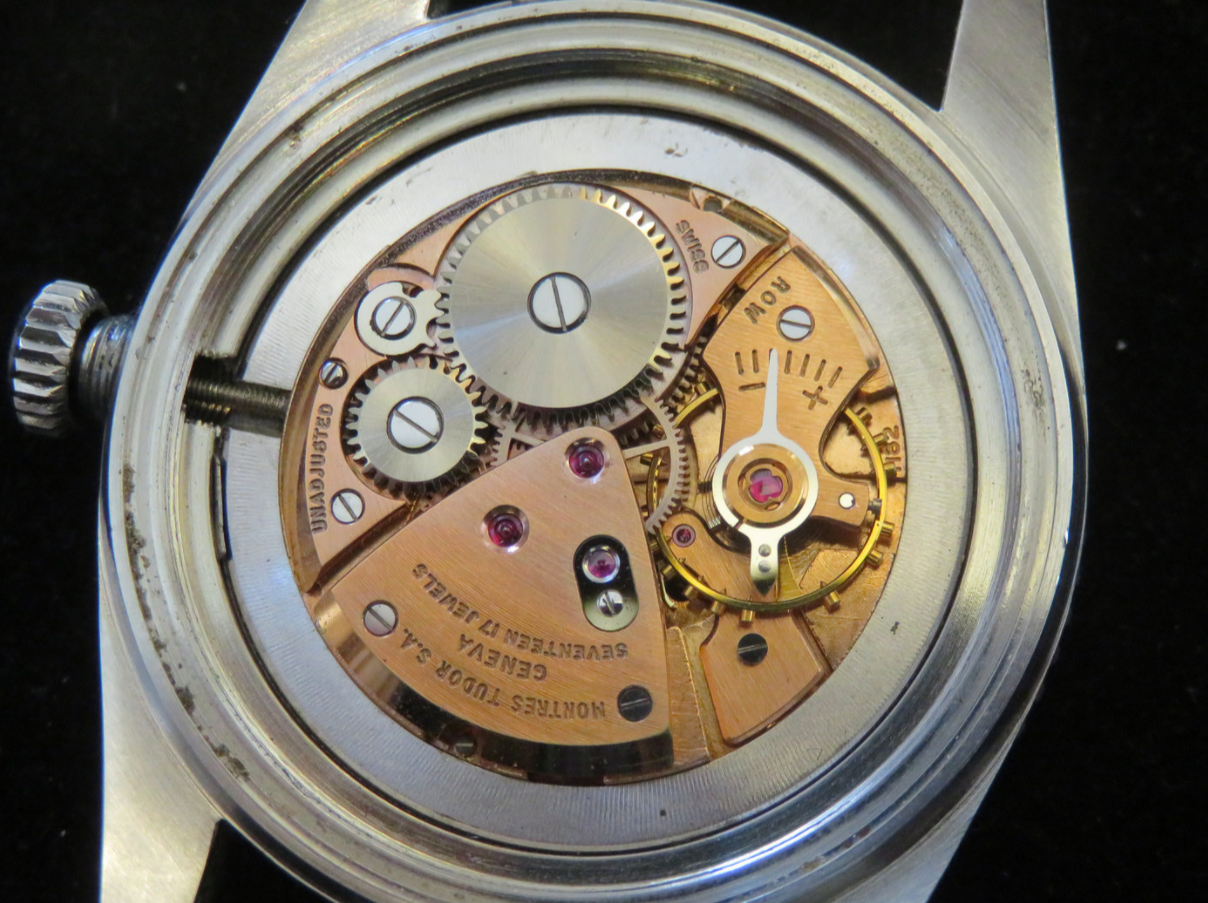
The Tudor Submariner ref. 7923 is the only manually wound Submariner produced by Tudor or Rolex, and is equipped with the ETA calibre 1182, operating at 18,000 beats per hour.
Unlike automatic models, the 7923 does not feature a rotor, which is reflected on the dial by the absence of “PRINCE,” “ROTOR,” and “SELF-WINDING,” and the presence of “Shock-Resisting.” The manual-wind configuration was short-lived, as Tudor quickly standardized automatic movements across the Submariner line, making the 7923 a unique and highly distinctive reference.
Tudor
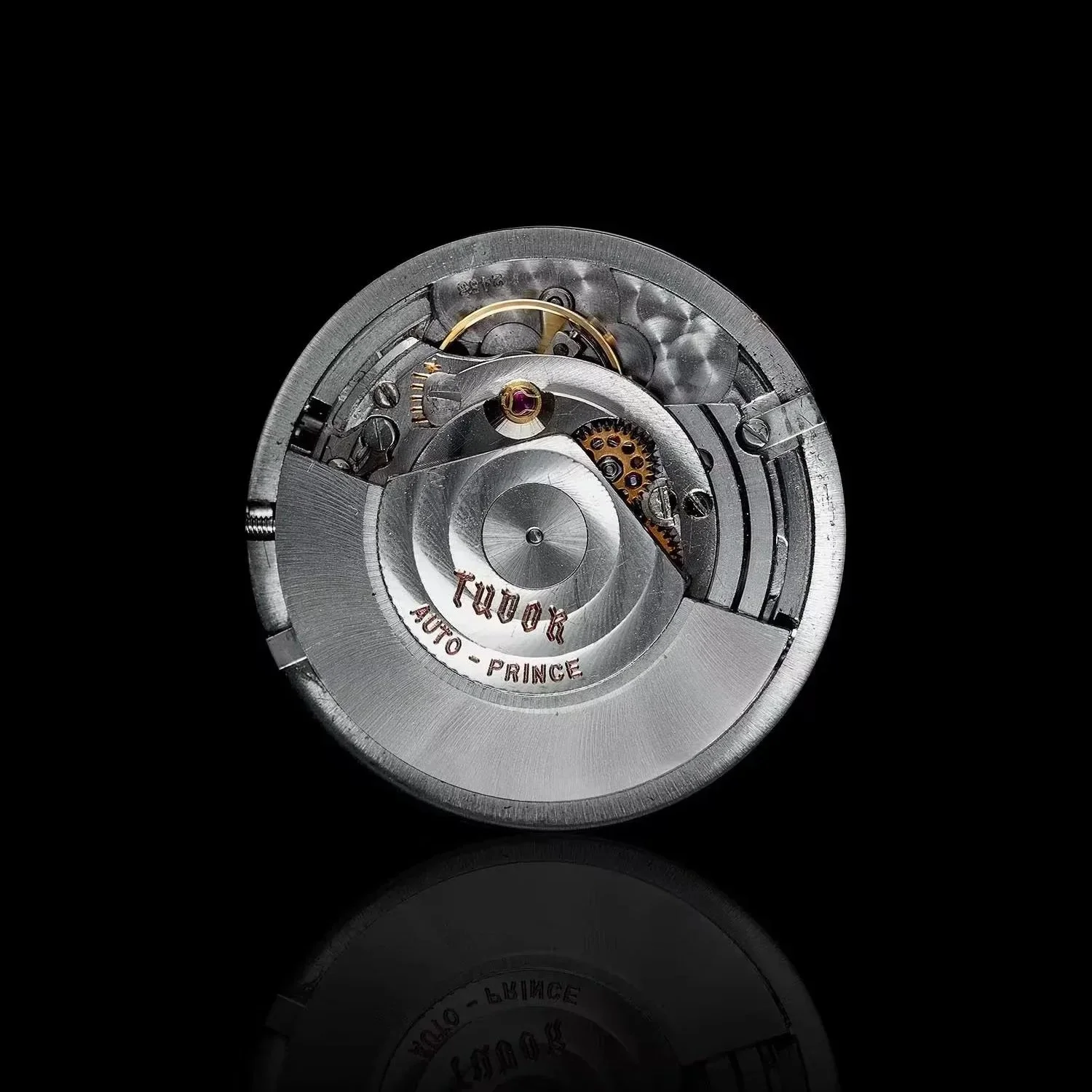
After nearly 15 years of the cal. 390, Tudor introduced the ETA 2483 in the ref. 7016 around 1968. The 2483 is a no-date automatic movement operating at 18,000 beats per hour and features a hacking seconds function, improving time-setting precision over earlier models. Modified and regulated by Tudor, it proved to be a reliable and widely used movement throughout the production of the 7016.
Movements are typically signed “Tudor” and may also include “Auto-Prince” or “Rotor Self-Winding.” They generally exhibit clean, consistent finishing, often with a gilt or rhodium-plated appearance depending on the example.
Tropical Watch
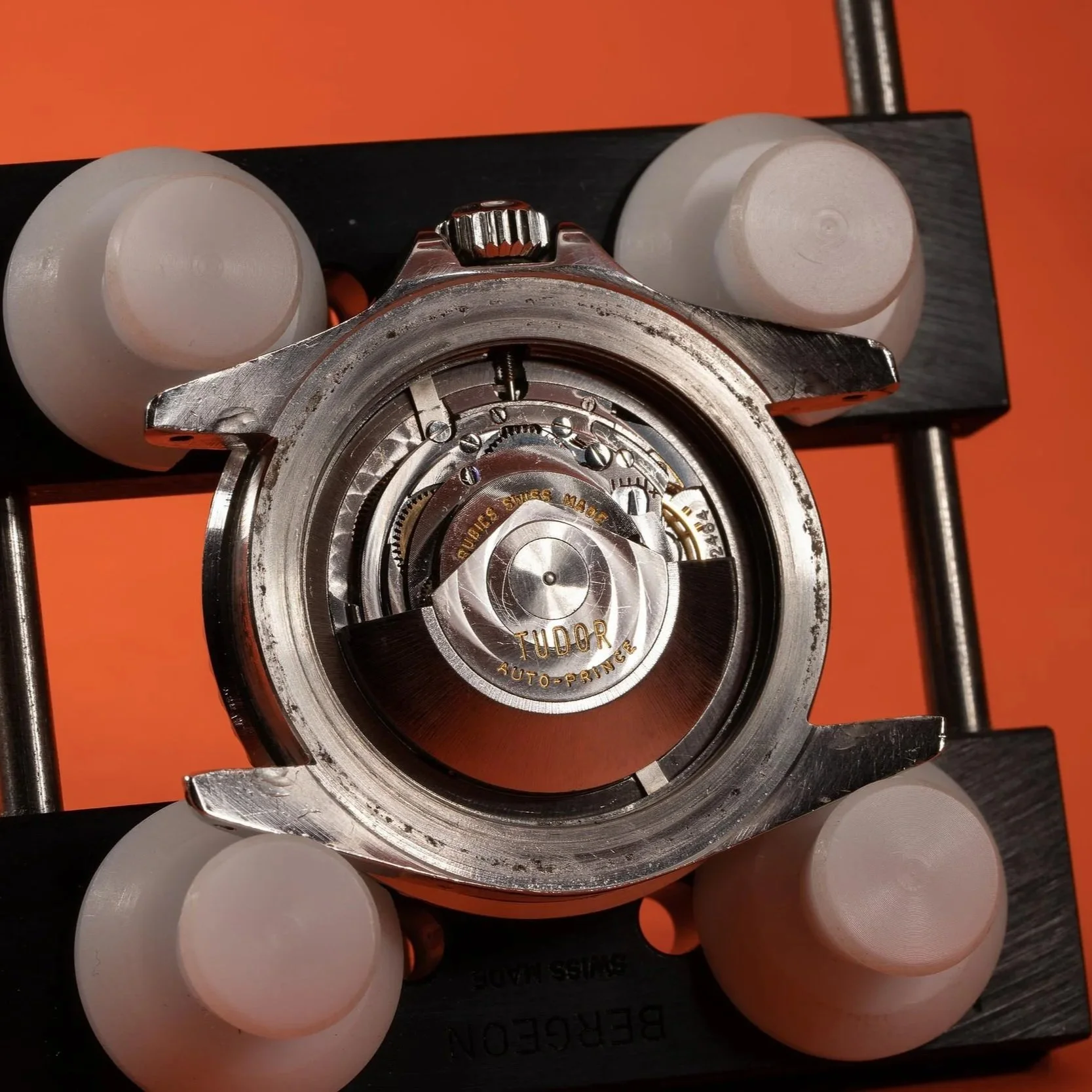
The Tudor Submariner ref. 7021, introduced in 1969, was powered by the ETA cal. 2484, marking Tudor’s first use of a date-equipped ETA movement in the Submariner line. Operating at 18,000 beats per hour, it features a date complication and hacking seconds function. Closely related to the no-date 2483 used in the 7016, it reflects Tudor’s transition to ETA-based movements and remained consistent throughout production.
The ETA calibre 2484 remained consistent throughout 7021 production, with variation primarily seen in the date wheel. Early examples typically feature a roulette date wheel, while later examples use an all-black version. Both configurations are considered correct and reflect period variation rather than a change in movement.
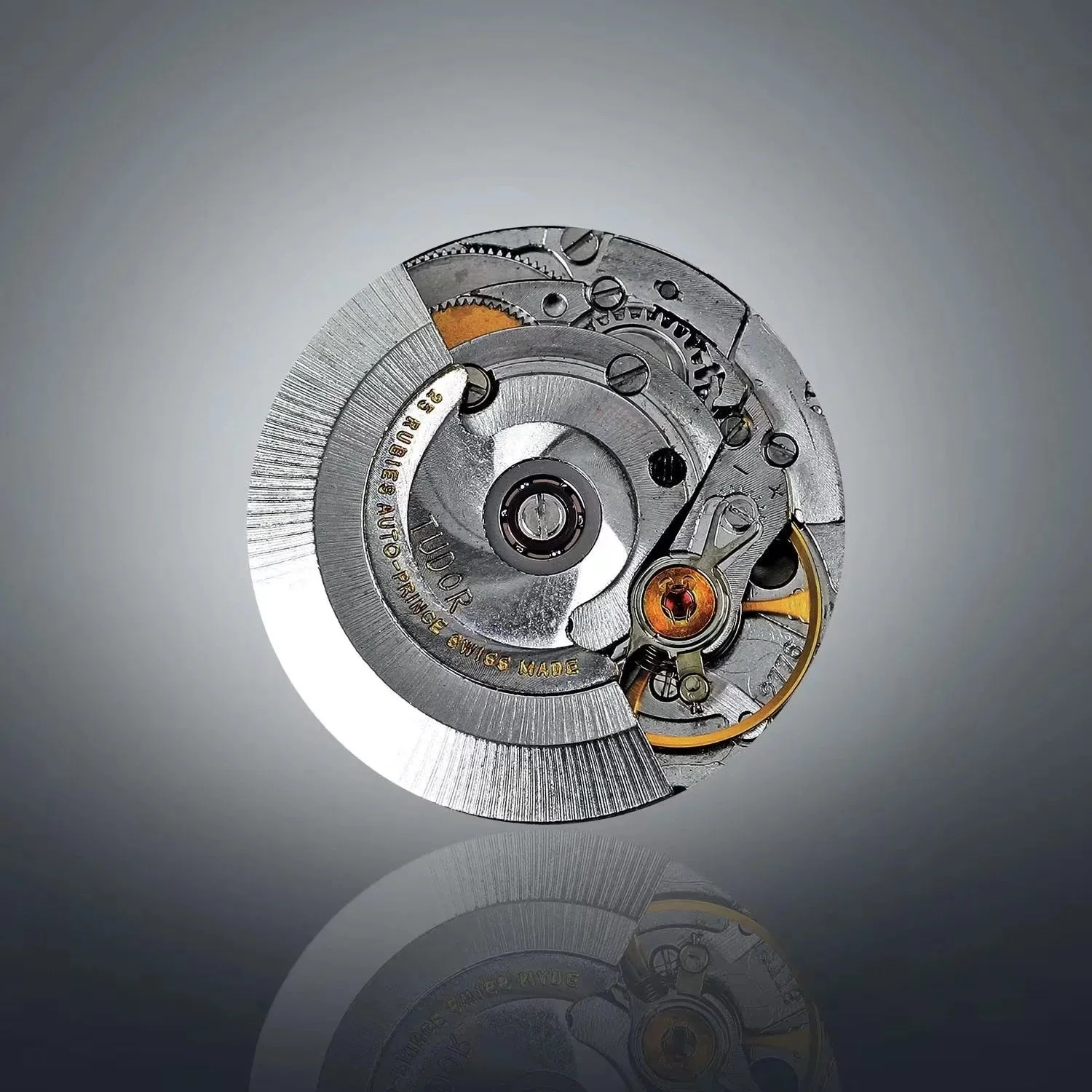
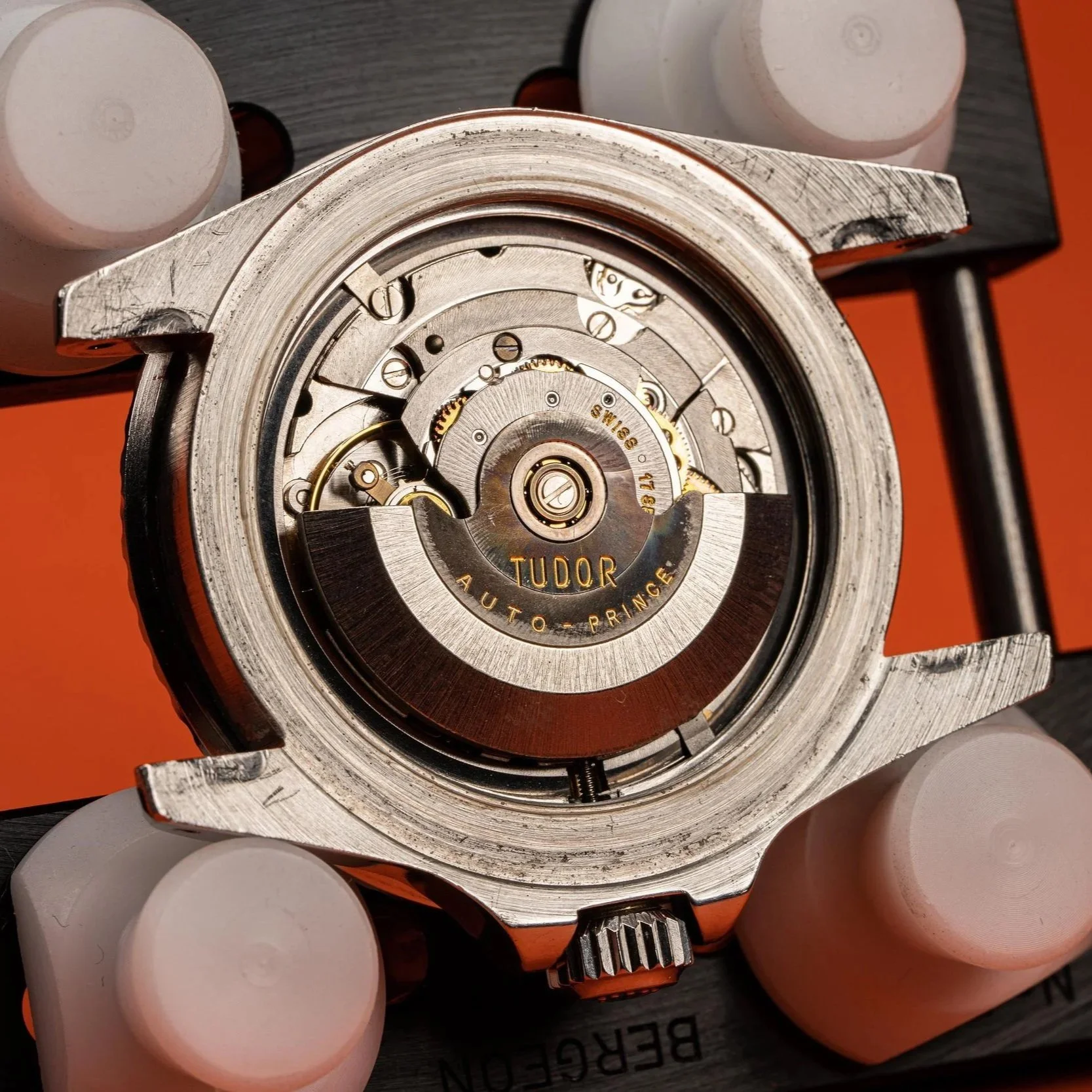
The Tudor Submariner references 94110 (date) and 94010 (no-date) were powered by modified ETA movements, continuing Tudor’s transition away from the Fleurier-based calibres used in earlier references. Chosen for their proven reliability and serviceability, these movements formed the foundation of Tudor’s Submariner line through much of the Snowflake era and were regulated by Tudor to ensure performance consistent with the brand’s standards.
The 94010 was fitted with the ETA cal. 2776, a no-date automatic movement operating at 21,600 beats per hour. The 94110, its date-equipped counterpart, was most commonly powered by the ETA cal. 2784, though some examples are known to feature the ETA 2783.
A key feature across these movements is the inclusion of a hacking seconds function, allowing the seconds hand to stop when the crown is pulled - an important improvement for precise time-setting. Compared to earlier movements such as the ETA 2483, these calibres offered increased beat rate, improved accuracy, and enhanced durability.
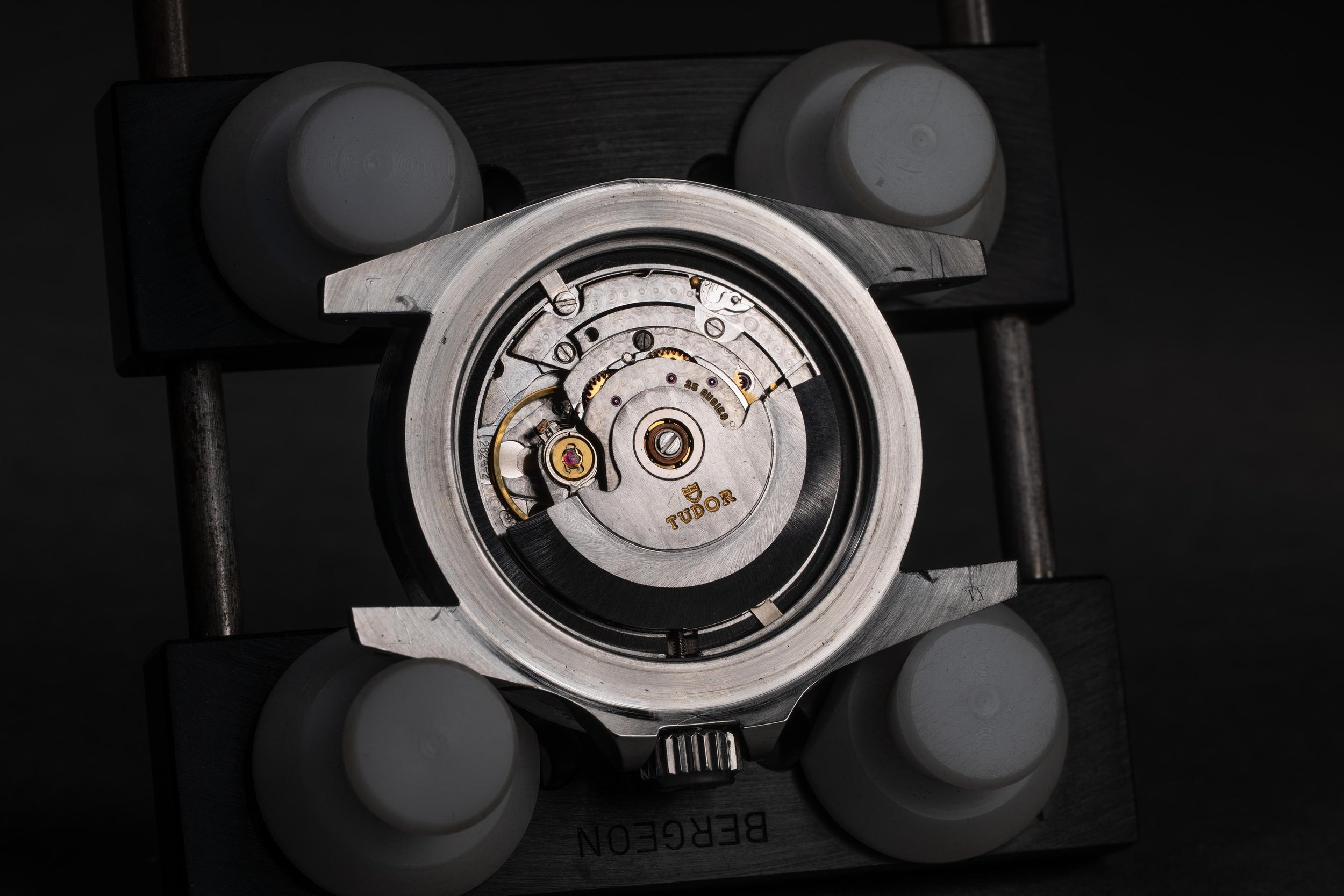
The Tudor Submariner ref. 76100, introduced in the mid-1980s, was powered by the ETA cal. 2824-2, marking a further evolution in Tudor’s use of ETA-based movements. This calibre represented a step forward in both performance and standardization compared to the earlier 27xx-series movements.
Tropical Watch
The 2824-2 is an automatic movement operating at 28,800 beats per hour, offering improved accuracy and a smoother sweep of the seconds hand. It also features a hacking seconds function and a quickset date, enhancing both precision and usability.
As with earlier ETA movements used by Tudor, the 2824-2 was modified and regulated by Tudor to meet the brand’s specifications. Its robust construction, widespread use, and ease of service made it a natural choice as Tudor transitioned into a more modern era of production.
While the ref. 76100 was produced for a relatively short period, its use of the ETA 2824-2 set the foundation for later Tudor Submariners, including the ref. 79090, which continued to rely on this calibre, with only minor variations in rotor engravings and finishing.